One Health Advisory

At THA we provide expert guidance in One Health policy development and strategic planning. We conduct risk assessments and manage zoonotic diseases, ensuring proactive prevention and response strategies. Our team also specializes in environmental health impact assessments, evaluating the effects of ecological changes on public health. Additionally, we offer epidemiological research to support evidence-based decision-making and enhance disease surveillance, ultimately promoting a holistic approach to human, animal, and environmental health.
Workforce Development
Our Capacity Building & Training programs empower professionals and communities with the knowledge and skills needed to implement One Health solutions effectively. We conduct specialized workshops and training sessions for healthcare, veterinary, and environmental professionals to enhance interdisciplinary collaboration. Additionally, we design and implement community awareness programs to educate the public on critical One Health issues. Our expertise also extends to curriculum development for educational institutions, ensuring the next generation of professionals is equipped to address the complex health challenges at the intersection of human, animal, and environmental health.
Research and Innovation

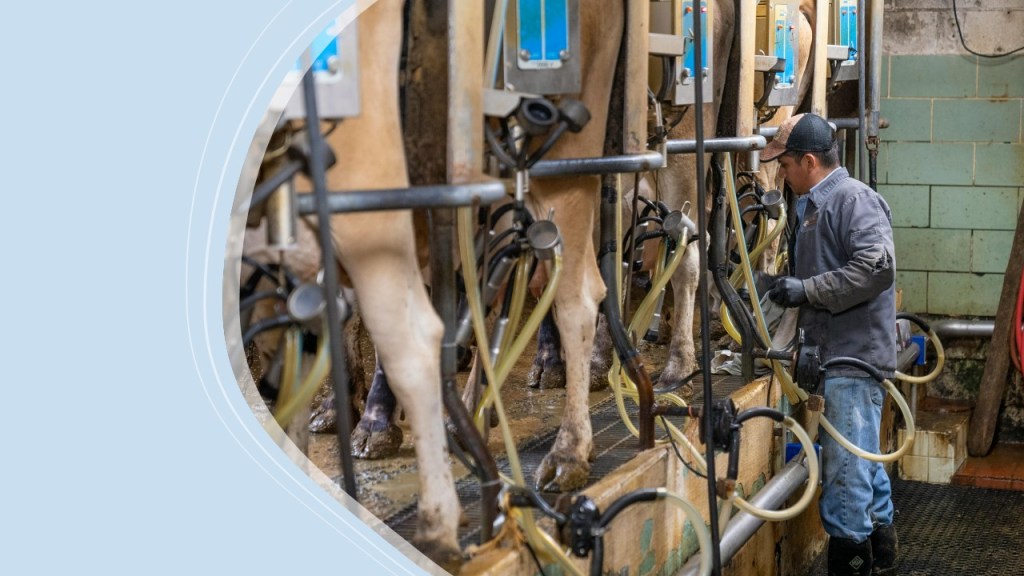
Our services focus on advancing knowledge and solutions at the intersection of human, animal, plant, and environmental health. We conduct collaborative research to explore the complex interactions between these sectors, generating valuable insights that drive effective health interventions. Additionally, we provide data-driven insights to support evidence-based policy formulation and decision-making, ensuring that health strategies are both effective and forward-thinking.
Community Engagement
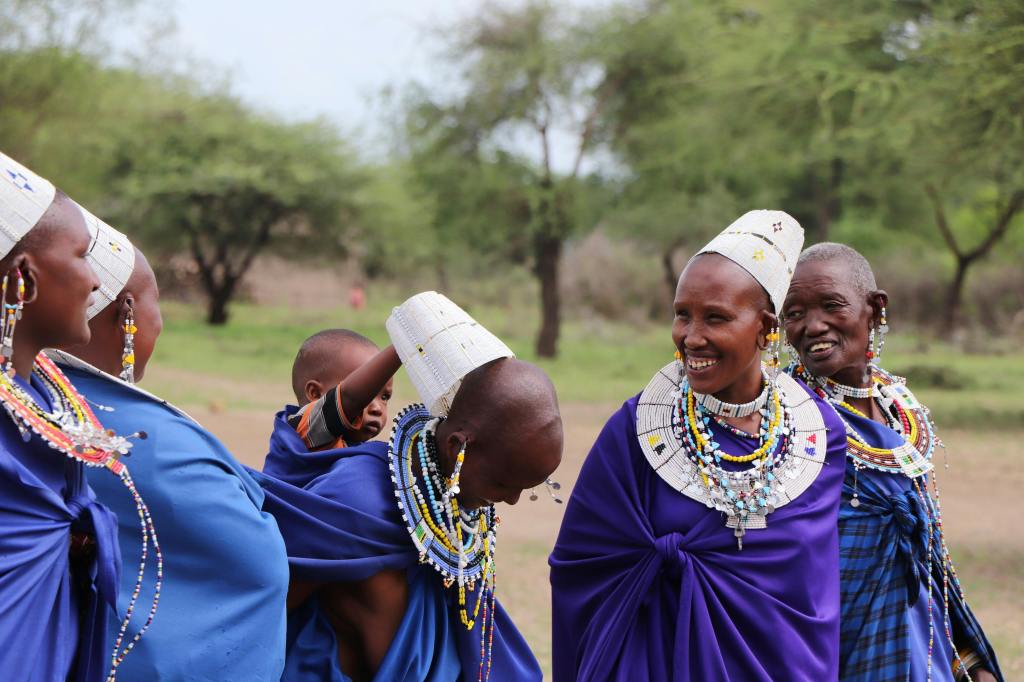
By actively involving local communities in identifying health risks, shaping interventions, and monitoring outcomes, the One Health approach ensures that solutions are culturally appropriate, locally relevant, and sustainable. Communities often serve as the first line of defense in detecting emerging diseases, promoting responsible animal and environmental stewardship, and adopting preventive behaviors. Their participation enhances the effectiveness of surveillance systems, encourages transparency, and bridges the gap between policy and practice, ultimately strengthening resilience against public health threats at the grassroots level.
 Triphasic Health Alliance