By Hope Kameta, Founder | Triphasic Health Alliance.
The 78th World Health Assembly, convening on 19-27 May 2025, is expected to mark a critical moment in global health diplomacy, with pandemic prevention and the “One Health” approach at the forefront. Member states are anticipated to adopt the newly finalized WHO Pandemic Agreement, which emphasizes stronger international collaboration, equitable access to medical tools, and enhanced surveillance systems. A key focus will be the formal integration of One Health principles—recognizing the interconnectedness of human, animal, plant, and environmental health—into global preparedness strategies.
The Assembly is poised to advance a unified agenda aimed at preventing future pandemics through more coordinated, inclusive, and science-based action. The theme of the 78th World Health Assembly is: One World for Health. But is the world more prepared or more divided to tackle the next pandemic?
As the world continues to grapple with the lessons of COVID-19, 2025 marks a pivotal year for global pandemic preparedness. Key developments include the finalization of the WHO Pandemic Agreement, the expansion of the Pandemic Fund, and the United States’ decision to withdraw from the World Health Organization (WHO). These events collectively shape the international community’s ability to respond to future health crises.
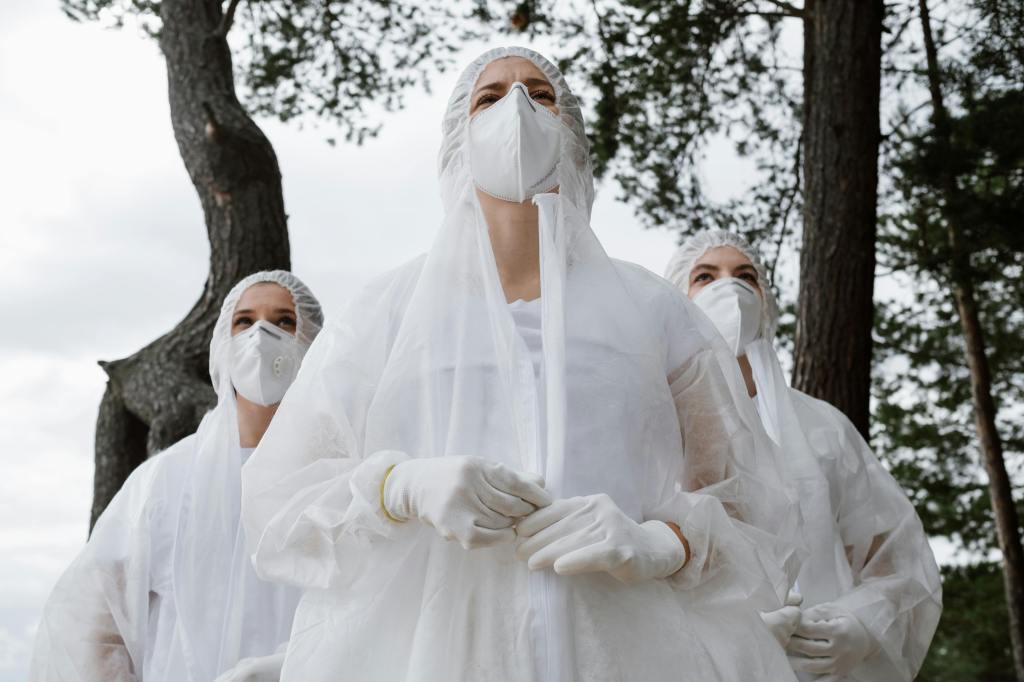
The WHO Pandemic Agreement: A Milestone in Global Health Collaboration
After over three years of negotiations, WHO member states have finalized a draft Pandemic Agreement, set for consideration at the 78th World Health Assembly commencing on May 19, 2025. This accord aims to bolster global collaboration in preventing, preparing for, and responding to pandemics. Key provisions include:
- Strengthening surveillance systems to detect emerging health threats promptly.
- Ensuring equitable access to vaccines, treatments, and diagnostics, with the WHO holding 20% of such products for distribution in lower-income countries.
- Implementing a “One Health” approach, recognizing the interconnectedness of human, animal, and environmental health.
While the agreement represents a significant step forward, its effectiveness will depend on member states’ commitment to its provisions and the establishment of mechanisms to ensure compliance.
The United States’ Withdrawal from the WHO: Implications for Global Health
In a move that has garnered international attention, President Donald Trump announced in January 2025 the United States’ intention to withdraw from the WHO, with the process set to complete by January 22, 2026. Citing concerns over the WHO’s handling of the COVID-19 pandemic and perceived political influences, the U.S. has also ceased participation in negotiations related to the Pandemic Agreement.
The U.S. has historically been the WHO’s largest financial contributor, providing approximately 18% of its budget. Its withdrawal is expected to leave a significant funding gap, prompting the WHO to prioritize essential functions such as vaccine approval and outbreak response while potentially scaling back other programs.
Experts warn that the absence of U.S. leadership and resources could hinder global health initiatives, particularly in areas like disease surveillance and emergency response.
The Pandemic Fund: Mobilizing Resources for Preparedness
Established in November 2022 and hosted by the World Bank with the WHO as a technical lead, the Pandemic Fund aims to strengthen pandemic prevention, preparedness, and response capacities, especially in low- and middle-income countries.
To date, the Fund has allocated $885 million in grants, mobilizing an additional $6 billion in resources across 75 countries. Its third Call for Proposals, announced in December 2024, offers $500 million in funding, with applications due by June 6, 2025.
Despite the U.S. withdrawal from the WHO, it remains a founding contributor to the Pandemic Fund, alongside nations such as China, Germany, and the United Kingdom, as well as philanthropic organizations like the Bill and Melinda Gates Foundation.
Looking Ahead: Navigating a Complex Global Health Landscape
The juxtaposition of progress in international agreements and funding mechanisms with significant geopolitical shifts underscores the complexity of global pandemic preparedness. While initiatives like the Pandemic Agreement and the Pandemic Fund represent strides toward a more coordinated response to health crises, the U.S. withdrawal from the WHO poses challenges to unified global action.
As the world prepares for the next potential pandemic, sustained commitment, collaboration, and investment from all nations will be crucial to safeguarding global health. The COVID-19 crisis revealed the devastating consequences of fragmented responses and underfunded health systems. To avoid repeating these mistakes, countries must prioritize long-term investments in public health infrastructure, disease surveillance, and emergency preparedness.
Collaborative mechanisms—such as the WHO Pandemic Agreement and the Pandemic Fund—offer important frameworks, but their effectiveness hinges on nations upholding their commitments and working transparently with each other. Only through collective action, equitable resource sharing, and science-driven policy can the global community build a resilient, inclusive, and responsive health security system capable of confronting future threats.
Related
World Health Organization looks ahead to life without the US. Available at: https://www.reuters.com/business/healthcare-pharmaceuticals/world-health-organization-looks-ahead-life-without-us-2025-05-18/?utm_source=chatgpt.com
WHO member countries agree on a draft ‘pandemic treaty’ to try to avoid COVID-19 mistakes. Available at: https://apnews.com/article/who-pandemic-treaty-covid-trump-9003e25d3a9dda95277a9f79cbf77a1d
Seventy Eighth World Health Assembly. Available at: https://www.who.int/about/governance/world-health-assembly/seventy-eighth
What the U.S. Withdrawal from WHO Means for Your Health. Available at: https://www.verywellhealth.com/us-withdrawal-from-who-8778494?utm_source=chatgpt.com
The Pandemic Fund finances critical investments to strengthen pandemic prevention, preparedness, and response capacities at national, regional, and global levels, with a focus on low- and middle-income countries. Available at: https://www.thepandemicfund.org/backgroundv
 Triphasic Health Alliance
Leave a comment